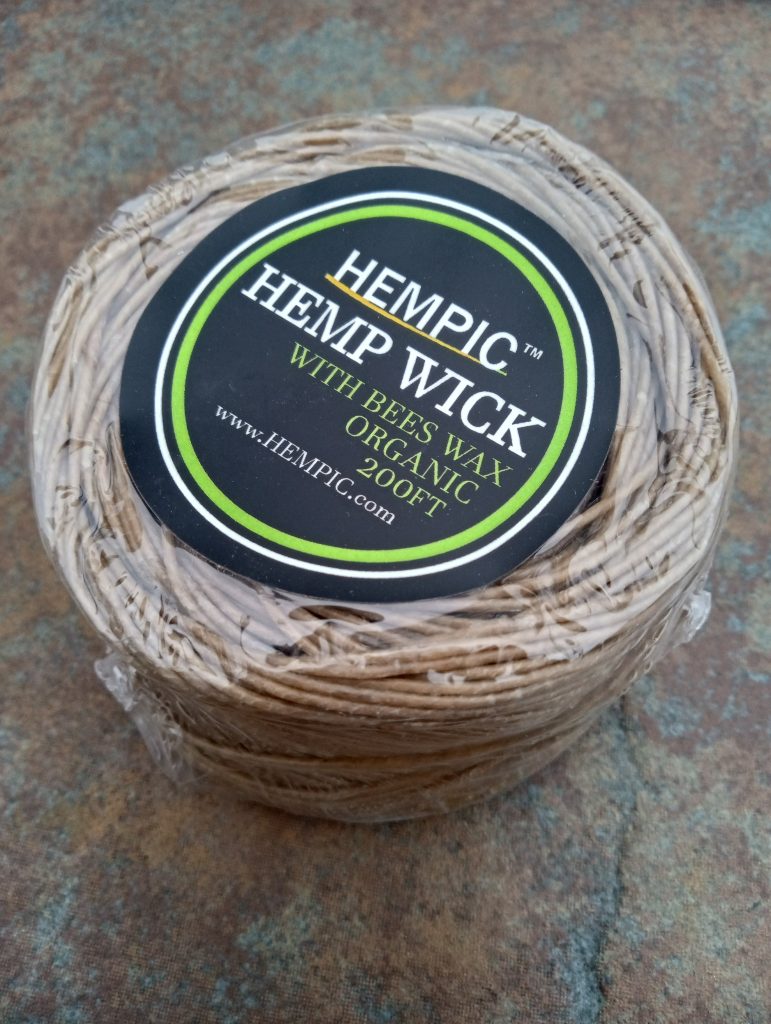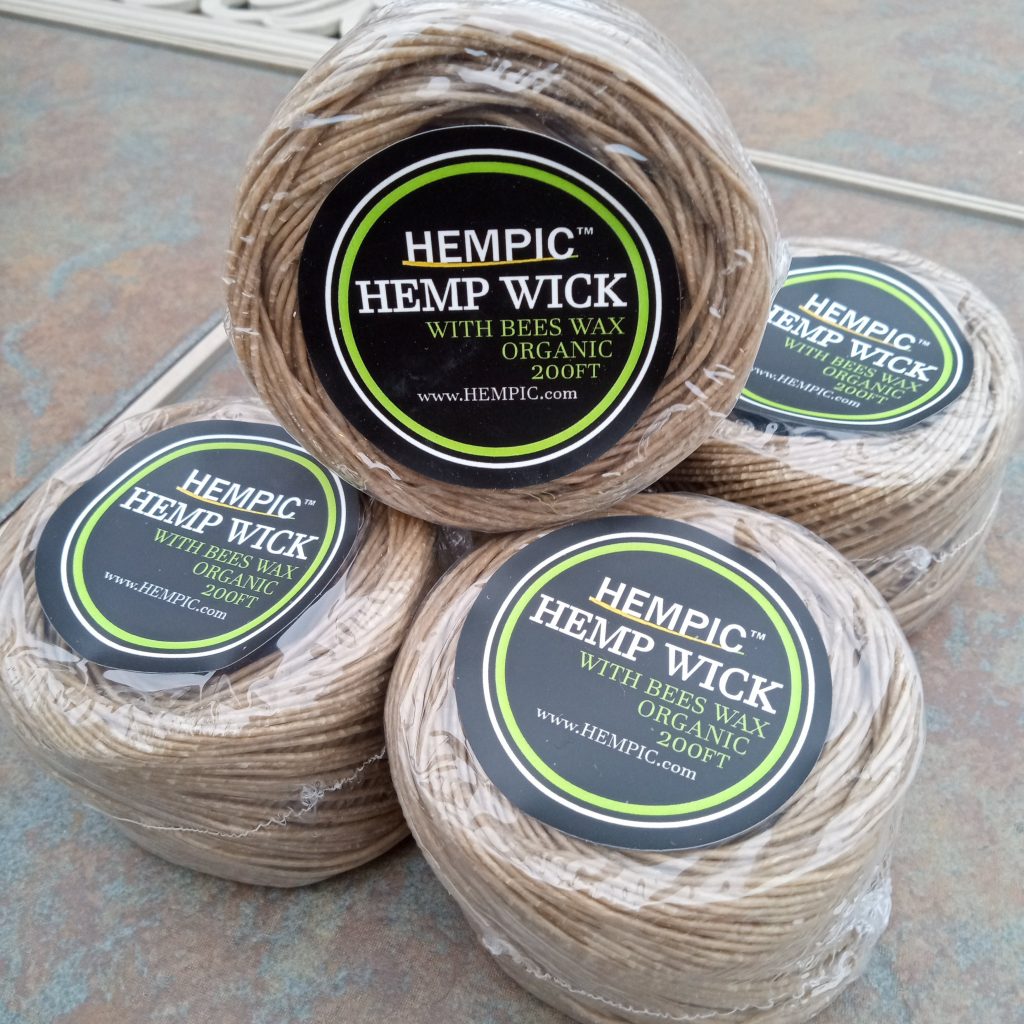
Hemp is an incredibly versatile plant. Its seeds can be used for food and nutrition, its fibers can be turned into textiles and paper, and those same strong natural fibers can also be made into something much simpler: hemp wick.
Hemp wick has become a popular alternative way of creating a flame for lighting smoking materials. Rather than applying the flame from a lighter directly, hemp wick is first ignited and then used as the flame source.
It is a simple concept, but there are several reasons some people prefer hemp wick over using a conventional lighter alone.
What Is Hemp Wick?
Hemp wick is typically made from hemp fiber or hemp twine coated with wax, commonly beeswax. The wax helps the hemp fibers burn slowly and consistently once they have been lit.
Instead of repeatedly using a lighter directly, the lighter or a match is used to ignite the end of the hemp wick. The burning wick can then be positioned where the flame is needed.
When finished, the wick is extinguished and the remaining length can be used again later.
Because hemp fibers are naturally strong and well suited for cordage, wick is another example of how the fibrous portion of the hemp plant can be put to practical use.
How Does Hemp Wick Work?
Using hemp wick is straightforward.
First, the end of the wick is lit with a lighter or match. Once a small flame is established, the burning wick becomes the flame source.
The wick can be held at an angle and brought toward the material being lit. Because the user is holding the wick itself, it can provide greater control over where the flame is positioned and how much flame is applied.
Once finished, the flame should be completely extinguished before the wick is stored.
Hemp wick does not eliminate the need for an initial source of ignition—the lighter or match still has to light the wick—but it changes what is used to deliver the flame.
Why Do Some People Prefer Hemp Wick Over a Lighter?
A conventional lighter is quick, convenient, and familiar. For many people, there is no reason to use anything else.
Others simply prefer the experience of using hemp wick.
One of the most noticeable differences is flame control. A small burning wick can be moved and positioned with more precision than the flame coming directly from many disposable lighters.
That can make the lighting process feel slower and more deliberate.
Hemp wick also appeals to people who like products made from hemp fiber. Instead of the lighter itself being held directly over what is being lit, the lighter is used momentarily to ignite the hemp wick, and the wick provides the flame from that point forward.
For some users, that distinction alone is part of the appeal.
Other reasons people may prefer hemp wick include:
- Greater control over flame placement
- The ability to maintain a relatively small flame
- Preference for hemp-fiber products
- Preference for wax-coated wick
- A more deliberate lighting experience
- Simply enjoying the traditional feel of using a burning wick
Like many everyday products, part of the choice comes down to personal preference.
Hemp wick is also commonly associated with rolling papers and other traditional smoking accessories. For more on another hemp-based option, read our guide to hemp rolling papers.
Is Hemp Wick Healthier Than Using a Butane Lighter?
This is one of the most common claims surrounding hemp wick, and it deserves some clarification.
You will sometimes see hemp wick described as a “healthier” or “cleaner” alternative to using a butane lighter directly. Part of that reputation comes from the fact that once the wick is burning, the hemp-and-wax flame is applied instead of continually applying the lighter flame itself.
That is one reason some people prefer hemp wick.
However, preference should not automatically be treated as proof of a health benefit.
Calling hemp wick definitively healthier or safer than a conventional lighter would require stronger evidence than simply pointing to the materials from which the wick is made. Both methods ultimately involve an open flame and combustion.
For that reason, a better way to look at hemp wick is as an alternative lighting method with characteristics that some users prefer—not as something that should automatically be assumed to provide a health benefit.
Someone may choose hemp wick specifically because they prefer not to apply a butane lighter flame directly, while someone else may simply prefer the convenience of a standard lighter.
Both are individual choices.
What Is Hemp Wick Made From?
The two primary components of traditional hemp wick are relatively simple:
Hemp fiber: Hemp stalks contain long, durable bast fibers that have historically been used in rope, cordage, textiles, and other fiber products. These fibers can be twisted into the thin cord used for hemp wick.
Wax: The hemp cord is coated with wax to help regulate how it burns. Beeswax is commonly used, although the exact materials can vary depending on the manufacturer.
The combination creates a flexible cord that can be stored in a roll or wrapped around another object until needed.
Because products can differ, it is always worth checking the description of a particular hemp wick if the exact type of wax or other materials used are important to you.
Hemp Wick vs. a Conventional Lighter
Neither option needs to be complicated.
A lighter is designed to create a flame instantly. Press or strike the mechanism, use the flame, and release it when finished.
Hemp wick adds an additional step. The wick must first be ignited, used as the flame source, and then extinguished afterward.
The tradeoff is greater manual control.
A lighter may be preferable when convenience is the priority, while hemp wick can appeal to someone who wants a smaller flame that they can physically position.
Hemp wick also allows the lighter to serve primarily as the ignition source rather than the flame being applied directly throughout the lighting process.
There is no need to portray one as universally “better.” They simply provide different ways of accomplishing the same basic task.
How to Use Hemp Wick
Using hemp wick only takes a few steps.
- Unwind a manageable length.
Give yourself enough wick to comfortably keep your hand away from the burning end. - Light the tip.
Use a lighter or match to ignite the end of the hemp wick. - Allow a small flame to establish.
The wax coating helps the wick maintain its flame. - Position the flame.
Carefully move the burning end of the wick toward what you intend to light. - Extinguish the wick.
Once finished, put the flame out completely. - Check for an ember.
Make sure the end is no longer glowing or smoldering before storing the wick.
Because hemp wick remains an open flame while in use, it should always be handled with the same basic fire precautions as a match, candle, or lighter.
Storing Hemp Wick
Hemp wick is easy to store, but the most important rule is to make sure it has been fully extinguished first.
A small ember can remain at the tip even after the visible flame has disappeared.
Keep hemp wick away from flammable materials, excessive heat, and anything that could accidentally ignite.
Many people keep the wick rolled or wrapped so that only a small working length needs to be unwound at a time. This also prevents the cord from becoming tangled.
Hemp Wick Is Another Use for Hemp Fiber
Hemp wick may be a relatively small product, but it represents something much larger about the hemp plant.
Different parts of hemp can be used for dramatically different purposes.
Hemp seeds can become foods, protein powder, and hemp seed oil. Hemp-derived compounds can be used in cannabinoid products. Hemp stalks provide fibers that can be turned into paper, textiles, cordage, and other materials.
Hemp wick belongs to that fiber side of the plant.
The same qualities that have made hemp useful for rope and textiles—particularly its long, strong fibers—also make it suitable for producing simple forms of cordage such as wick.
It is one more example of hemp’s versatility beyond the products most people immediately associate with the plant.
Is Hemp Wick Right for You?
Hemp wick is not a necessity. A lighter is simpler and will continue to be the more convenient choice for many people.
But for those who prefer the experience, hemp wick provides a straightforward alternative.
It offers greater control over flame placement, uses hemp fiber as its foundation, and allows the lighter to be used primarily to ignite the wick rather than as the direct flame source.
For some people, those characteristics are enough to make hemp wick their preferred method.
If you would like to try it for yourself, Hempic™ Hemp Wick offers a simple hemp-based option available through the Hempic shop.
Hemp Wick FAQ
What is hemp wick used for?
Hemp wick is a wax-coated hemp cord that can be ignited and used as a controllable flame source. The lighter or match starts the wick, and the burning wick is then used for lighting.
Why use hemp wick instead of a lighter?
Some people prefer hemp wick because it provides greater control over the size and placement of the flame. Others prefer its hemp-fiber construction or simply enjoy the different lighting experience.
Is hemp wick healthier than a lighter?
Hemp wick is sometimes promoted as a cleaner or healthier alternative because the wick flame is used instead of applying a butane lighter flame directly. However, that preference should not be treated as proof that hemp wick provides a specific health benefit. Both methods involve combustion.
Does hemp wick contain THC?
Hemp wick is made from the fibrous stalk portion of the hemp plant rather than being used for its cannabinoid content. Hemp fiber products are manufactured for their physical properties, such as strength and durability.
What is hemp wick coated with?
Many traditional hemp wicks are coated with beeswax, which helps the fibers burn slowly and maintain a usable flame. Materials can vary between manufacturers, so check the individual product description when the specific wax used is important.
Can hemp wick be used more than once?
Yes. Only a small portion of the wick is burned during each use. After the flame and any remaining ember are completely extinguished, the remaining wick can be stored and used again later.
Does hemp wick replace a lighter?
Not entirely. Hemp wick still needs an initial ignition source such as a lighter or match. The difference is that after ignition, the burning hemp wick becomes the flame source.
Is hemp wick better than a lighter?
That comes down largely to preference. A conventional lighter is faster and more convenient, while hemp wick can provide more control over flame placement and a different overall experience.